Introduction
In the realm of emergency feedback, understanding exactly how to look for responsiveness is an important ability that can imply the distinction in between life and death. Whether you're a typical spectator or a qualified health care expert, comprehending the subtleties of assessing a casualty's problem is important. This post intends to provide detailed insights right into numerous elements of checking responsiveness in emergencies. By delving right into subjects such as fundamental vs innovative life assistance, healthcare facility codes and methods, and public defibrillator use, we will outfit you with the knowledge required to act effectively when it matters most.
How to Efficiently Examine Responsiveness in Emergencies
When faced with a subconscious or unresponsive person, your initial task is to establish their level of responsiveness. But exactly how do you tackle this? The process starts with a detailed assessment of the casualty's state:
Approach Safely: Make sure the location is secure for both you and the victim. Assess Responsiveness: Carefully drink the person's shoulder and loudly ask if they're okay. Check Breathing: If there's no reaction, look and listen for regular breathing.This essential technique sets the stage for advanced procedures if necessary.
The Importance of Examining Responsiveness
Checking responsiveness works as a portal to more clinical treatment. Comprehending whether an individual is receptive aids in establishing whether basic life support (BLS) or advanced life support (ALS) measures are required.
Basic vs Advanced Life Support
- Basic Life Assistance (BLS) covers vital methods such as CPR and utilizing an Automated External Defibrillator (AED). Advanced Life Assistance (ALS) involves sophisticated clinical treatments normally done by healthcare professionals.
Understanding these differences highlights why examining responsiveness is important; it determines which method ought to be activated.
Identifying No Breathing
One crucial facet of emergency situation action is identifying whether a person is taking a breath or otherwise. Identifying "no breathing" can be difficult but important:
Look: Observe breast movements. Listen: Place your ear near their mouth to listen to breath sounds. Feel: Look for air activity versus your cheek.If a person isn't breathing, start mouth-to-mouth resuscitation quickly while calling for emergency situation help.
Maintaining Composure Throughout Emergencies
When faced with emergency situations, it's easy to panic, but preserving composure can considerably boost end results:
- Take deep breaths. Focus on what requires to be done step-by-step. Remind yourself that you have training or understanding that can help.
Composure enables you to believe plainly and act emphatically when inspecting responsiveness and giving care.
Public Defibrillator Usage
Public areas typically have actually Automated Exterior Defibrillators (AEDs) available, making it essential to understand just how they work:

Knowing how to utilize these devices can substantially enhance survival rates throughout heart emergencies.
Hospital Codes and Protocols
Every hospital has established methods regarding emergency feedbacks:
- Codes like "Code Blue" commonly indicate an individual needing immediate resuscitation efforts. Familiarizing yourself with these codes can improve interaction when handing over a casualty to clinical staff at a health center setting.
Taking Turns on Compressions
Performing CPR successfully calls for stamina and focus; therefore taking turns on compressions can be advantageous:
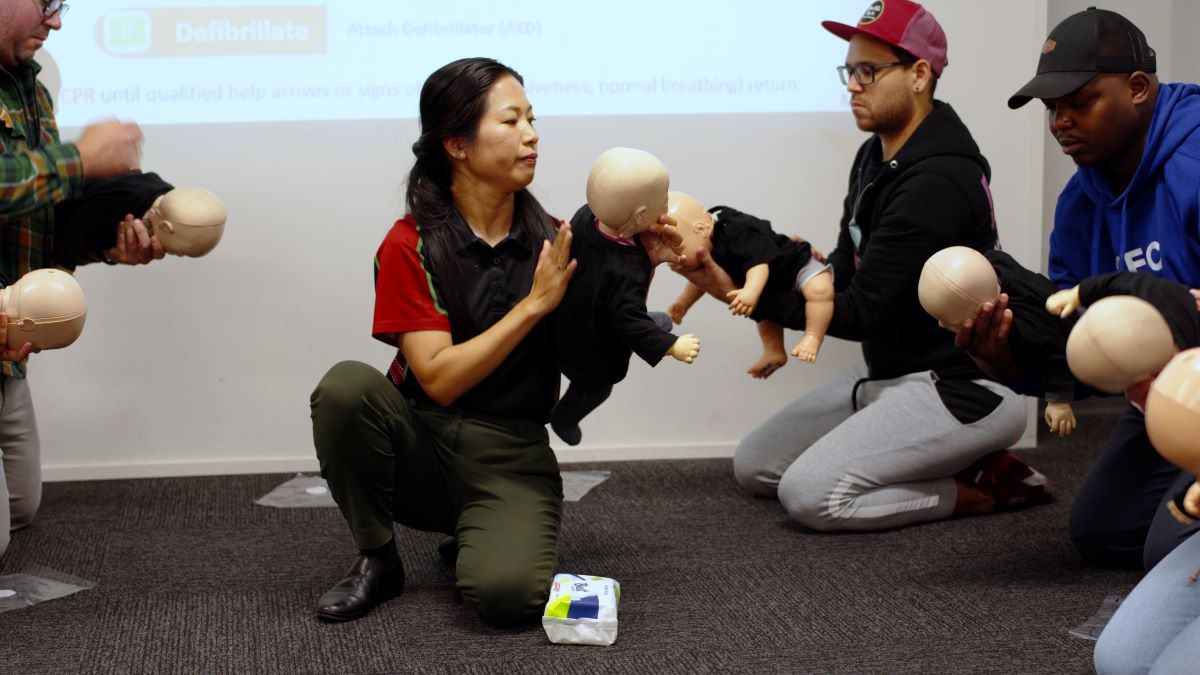
These pointers guarantee that top notch compressions are kept throughout until expert help arrives.
Lower Compression Depth vs Greater Compression Depth
The compression depth during mouth-to-mouth resuscitation has significant implications:
- A lower compression deepness may not distribute blood efficiently enough, whereas too deep might trigger injury.
The optimal deepness generally drops around 5-- 6 centimeters (concerning 2-- 2.5 inches) for grownups however ought to constantly be assessed based upon situational needs.
Slow Compression Rate
While keeping appropriate rate is crucial during CPR compressions, slow-moving compression prices may lower effectiveness:

- Aim for steady rhythmic compressions without hurrying with them.
A rapid but regulated method makes sure optimal blood flow up until https://www.firstaidpro.com.au/locations/nsw/wagga-wagga/ emergency situation responders take over care.
FAQs
1. What must I do first when I discover someone unresponsive?
First, guarantee safety for both you and the target prior to examining their responsiveness by delicately drinking them and asking if they are okay.
2. Just how do I recognize if somebody requires CPR?
If the person does not respond verbally or physically after drinking them and reveals indicators of no breathing or irregular breathing patterns, initiate CPR immediately.
3. Can anybody use a public defibrillator?
Yes! Public defibrillators are developed for usage by laypersons; lots of come with clear voice guidelines guiding customers with each step of operation.
4. What are medical facility codes?
Hospital codes refer to particular expressions made use of within clinical centers indicating particular emergency situations necessitating immediate response from team-- like "Code Blue" signaling heart attack situations.
5. Is BLS accreditation necessary?
While it's not obligatory for everyone, getting BLS certification prepares people for emergency situations involving adult targets requiring basic life support methods effectively.
6. For how long need to I perform CPR before stopping?
Continue carrying out mouth-to-mouth resuscitation up until expert help shows up or till you discover indicators of recovery such as normal breathing or activity from the casualty.
Conclusion
Understanding exactly how to efficiently inspect responsiveness in emergency situations includes numerous essential components-- from recognizing no breathing indicators to using public defibrillators successfully. The capability to preserve composure under stress while taking crucial actions like carrying out top quality mouth-to-mouth resuscitation can not be overemphasized; they contribute substantially towards enhancing survival rates in crucial situations.
Equipping oneself with expertise about hospital codes and methods even more streamlines interaction upon transferring like professional responders-- an important action toward ensuring ideal end results in situation circumstances including unconscious people requiring immediate aid! For that reason, whether you're a daily resident or part of healthcare training programs such as BLS accreditation training courses-- grasping these abilities will empower you with confidence when it truly counts!